
Chrome Tanned vs Vegetable Tanned Leather: What’s the Difference?

When discussing leather quality, much of the conversation focuses on the type of leather—terms such as full grain, top grain, or genuine leather. Equally important, however, is how the leather is tanned. The tanning process transforms raw animal hides into durable leather, and the method used has a significant influence on the material’s performance, feel, and longevity.

Two of the most widely used tanning methods today are chrome tanning and vegetable tanning. Each has its own history, characteristics, and applications. Understanding the differences between them provides valuable insight into how leather goods behave in everyday use.

The Purpose of Tanning
Before comparing the two methods, it helps to understand why tanning is necessary. Fresh animal hide will naturally decompose if left untreated. Tanning stabilizes the hide by binding its protein fibers, preventing decay and creating the durable material we know as leather.
Different tanning techniques affect the leather’s flexibility, resistance to moisture, colour stability, and overall performance.
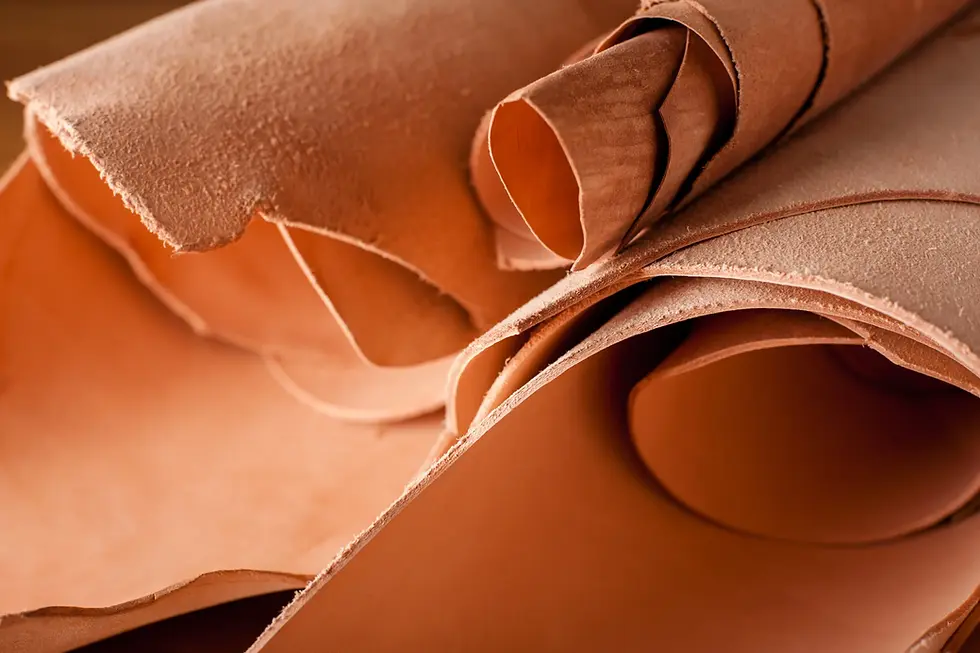
Vegetable Tanned Leather
Vegetable tanning is one of the oldest leather tanning methods, dating back thousands of years. The process uses natural tannins derived from plant sources such as tree bark, leaves, and wood extracts to treat the hide. Traditionally, vegetable tanning required long processing times, sometimes taking weeks or even months.
Vegetable tanned leather is often associated with a firm structure and a natural appearance. Because the tanning agents come from plant materials, the leather typically begins in lighter shades of brown and gradually darkens with use. It is commonly used in traditional leathercraft, saddlery, and certain types of handcrafted goods.
However, vegetable tanning also presents limitations. The leather can be more sensitive to moisture and environmental conditions, and it often requires careful maintenance to preserve its structure over time. It can also be less flexible than other types of leather, particularly in thinner or more refined products.

Chrome Tanned Leather
Chrome tanning, developed in the nineteenth century, revolutionised leather production by introducing mineral-based tanning agents—primarily chromium salts—to stabilize the hide. This method significantly reduces tanning time while producing leather that is more consistent and versatile.
Today, chrome tanning accounts for the vast majority of leather produced worldwide, particularly for products that require flexibility, durability, and reliable performance.
Chrome tanned leather offers several important advantages. It is naturally softer and more flexible, making it ideal for products that are handled frequently, such as wallets, bags, and everyday accessories. It also demonstrates excellent resistance to moisture and temperature changes, allowing it to maintain its structure and appearance in a wide range of environments.
Another major advantage is colour consistency. Chrome tanning allows leather to absorb dyes evenly, producing rich, stable colours that remain vibrant over time. This consistency is particularly important for designers and craftspeople who rely on predictable materials when creating refined leather goods.
Choosing the Right Leather for Modern Products
Both tanning methods have their place in leather craftsmanship, and each reflects a different tradition of leather production. Vegetable tanning carries historical significance and is valued in certain artisanal contexts, while chrome tanning offers the performance and consistency required for many modern leather products.
For accessories that are used daily—items that must withstand movement, pressure, and constant handling—chrome tanned leather provides a practical balance of strength, flexibility, and resilience.
At Laeuer Studio, the choice of leather is guided not only by tradition but by how the material performs in real life. Chrome tanned leather offers the structural reliability, refined finish, and durability needed for well-designed leather goods that are meant to accompany their owners through everyday use.
Final Thoughts
Understanding the difference between chrome tanned and vegetable tanned leather reveals how much craftsmanship exists behind even the simplest leather object. Tanning is not merely a technical step in production—it is the process that determines how leather feels, behaves, and performs over time.
While both methods contribute to the rich history of leather craftsmanship, chrome tanning continues to define much of modern leather design, providing the flexibility, durability, and consistency that contemporary leather goods demand.


Comments