
How to Tell If Leather Is High Quality: 5 Signs Most People Miss

Leather goods are often marketed with impressive-sounding labels, yet the true quality of leather is rarely determined by branding alone. Two products may appear similar at first glance, but their durability, structure, and longevity can be completely different. Understanding how to identify high-quality leather helps separate well-crafted pieces from products that simply imitate the look of premium materials.
While professionals in leathercraft evaluate many technical details, there are several simple signs that anyone can learn to recognize.

1. Look at the Grain
The grain of the leather reveals a great deal about its quality. High-quality leather retains the natural grain of the hide, meaning the surface will display subtle variations rather than a perfectly uniform pattern. These natural characteristics are a sign that the leather has not been heavily sanded or artificially embossed.
Lower-grade leathers are often coated or stamped with an artificial texture to mimic natural grain. While these finishes can look convincing at first, they typically lack the depth and authenticity of genuine high-grade leather.

2. Pay Attention to Thickness and Structure
Quality leather tends to feel substantial and structured. The internal fibre network of the hide is dense and strong, which gives high-grade leather its durability. When leather feels overly thin, floppy, or overly rigid due to heavy coatings, it may indicate that the material has been heavily processed.
Well-made leather products balance firmness with flexibility, allowing them to maintain structure while remaining comfortable to use.

3. Examine the Edges
The edges of a leather product can reveal more about craftsmanship than the surface itself. High-quality leather goods often feature carefully finished edges that are smooth, sealed, or hand-burnished. These details require time and precision, and they help protect the leather while improving durability.
Rough or unfinished edges can suggest that the product was manufactured quickly with minimal attention to detail.
4. Feel the Surface
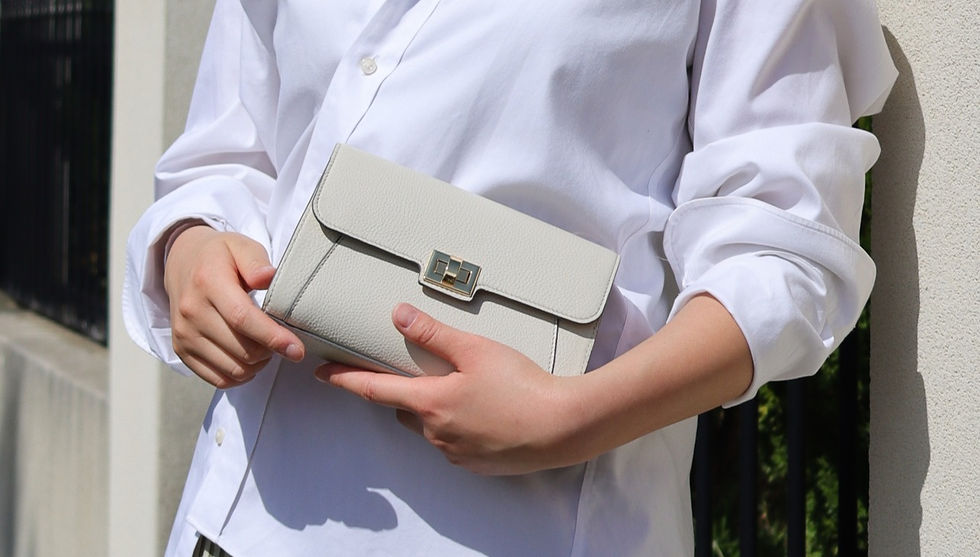
Touch is one of the most reliable ways to judge leather quality. Good leather typically feels smooth and natural, with a slight softness that reflects the strength of the underlying fibres. It should feel comfortable in the hand without feeling overly plastic or heavily coated.
Many lower-quality leathers rely on thick synthetic finishes to create a polished appearance. These coatings can make the leather feel artificial or stiff compared with higher-quality materials.
5. Consider the Construction
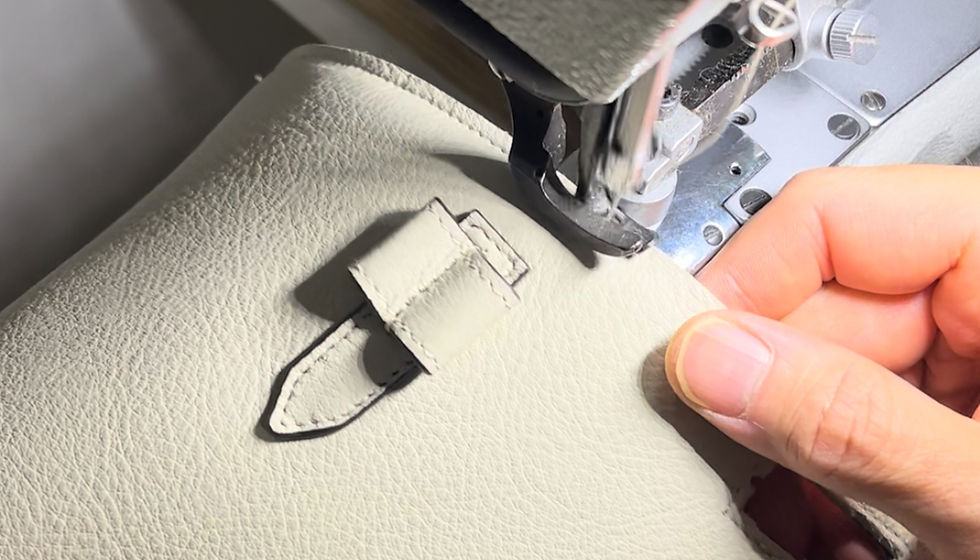
Even the finest leather cannot compensate for poor construction. High-quality leather goods are designed with durability in mind, meaning the stitching, lining, and internal structure are carefully considered.
Consistent stitching, well-balanced proportions, and thoughtful construction all contribute to how well a product performs over time. When craftsmanship and material quality work together, the result is a product that remains reliable through years of daily use.
Understanding Leather Beyond the Surface
Learning how to identify high-quality leather allows buyers to appreciate the craftsmanship behind well-made leather goods. Details such as grain structure, thickness, finishing, and construction all reveal the care that goes into producing durable and refined materials.

At Laeuer Studio, leather is selected with these principles in mind. Every layer—from the material itself to the structural design of the product—plays a role in ensuring that the final piece performs reliably while maintaining a refined and balanced aesthetic.
High-quality leather is ultimately defined by more than appearance. It is the result of thoughtful material selection, skilled craftsmanship, and careful attention to detail—qualities that become increasingly apparent the longer a product is used.


Comments